Since the dawn of time, humans have been creating music. From ancient civilizations beating on drums to professional artists crafting songs with digital audio workstations, music is something that we as humans have carried with us for millennia. In the recent past, music was primarily consumed through radio stations and the buying of physical media. Since then, however, everything’s changed. With the rise of social media and streaming services, much is different for both the consumer and the artist. The question is whether this change is for the better or for the worse.
The first thing that comes to mind with the evolving music scene is the question of taste, and how today’s generation is interacting with music with the influence of social media. RHS sophomore Kenzie Gleason illustrates some of the cons of social media in matters of taste, stating, “Social media will push the same things to everybody and then everything just becomes a kind of monotonous clump.” RHS freshman Cameron Gomes, while not having social media, agrees with Gleason, saying, “If you’re just scrolling, then you kind of get the same things over and over. So it’s not like you can experiment or you get introduced to something new.”
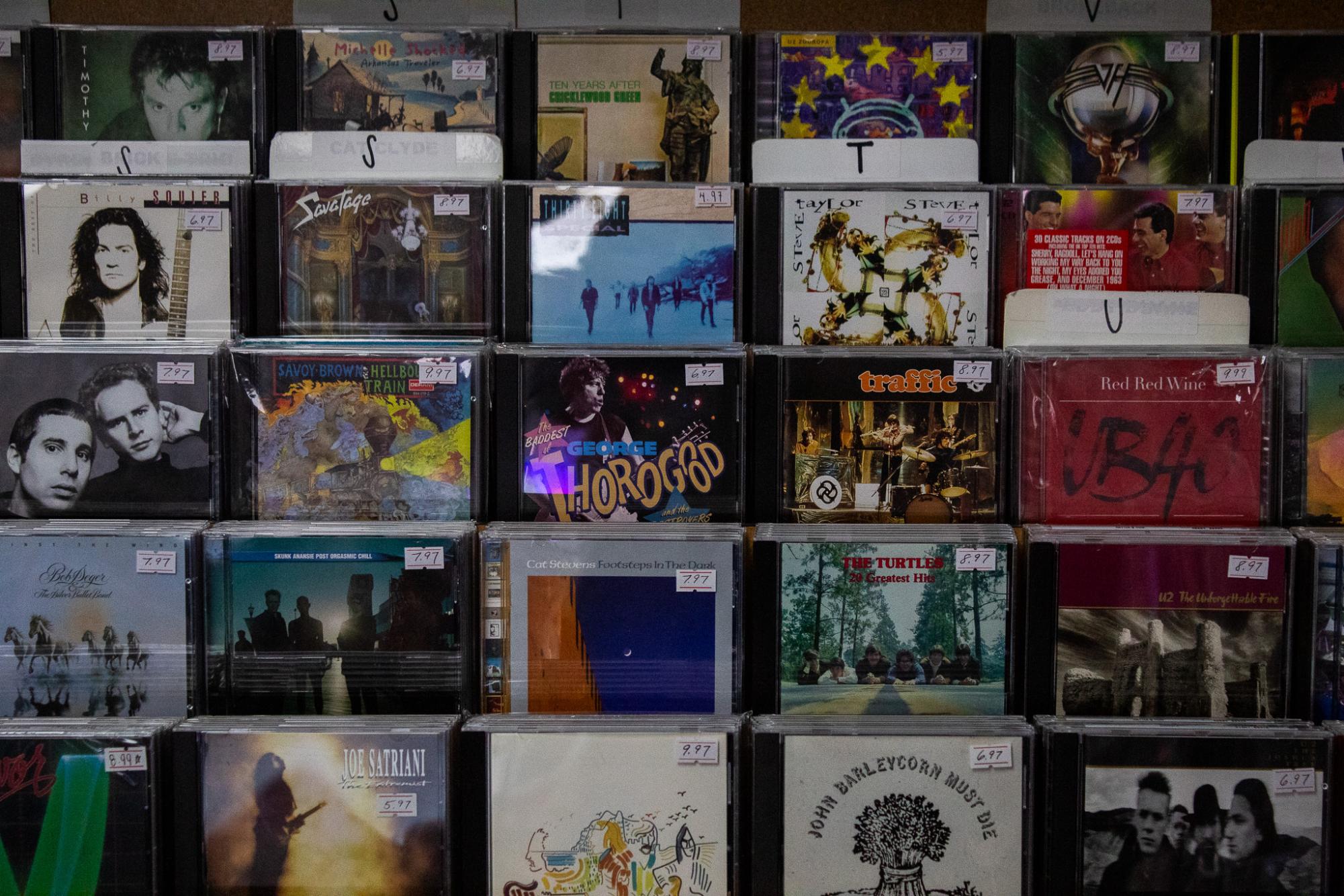
While social media’s algorithms can be limiting, they can also expand. Christine McKenzie, manager of Hi-Tones Record Store, a local family-owned record store in Rocklin, explains that “social media generates interest into different artists that people wouldn’t normally be exposed to. So we get more people from, you know, high school, college coming in, looking for different artists.” Shelby Goode, a senior at RHS, also adds, “I mean, through social media, you definitely get to see a whole bunch of different sides of music. Like I was introduced to certain songs when, for instance, ‘Arcane’ was really popular on TikTok.” Along with personal testimonies, TikTok’s newsroom, in collaboration with Luminate Data, released a study concerning American TikTok users’ trends in music. According to that study, TikTok users in the U.S. are almost twice as likely to find and share new music on social media platforms. Forty-seven percent of American TikTok users also listen to non-English music, with U.S.-based users also being 33 percent more likely to consider having access to international music extremely important.
Social media has also changed the game immensely for artists worldwide. Some feel, however, that in some respects, the algorithm has limited artists. Goode explains, “When an artist grows popular because of TikTok and then they decide to switch genres, people don’t like that because they became popular through the first genre they were introduced by.” This can cause artists to fall into creating “algorithm-safe” music, which is exemplified by the fact that lyrics have gotten progressively simpler and more repetitive, supposedly in an effort to get more streams, according to an article from the journal Scientific Reports. This makes more sense when you take into account that the likelihood of a song being skipped within the first five seconds on Spotify is almost 25 percent, according to an article from Music Machinery, meaning artists may make their songs more mainstream in order to collect streams. Gleason also expands emotionally on the phenomenon, declaring, “It really is disappointing when a band or an artist strays from what they originally had just to fit an algorithm.”
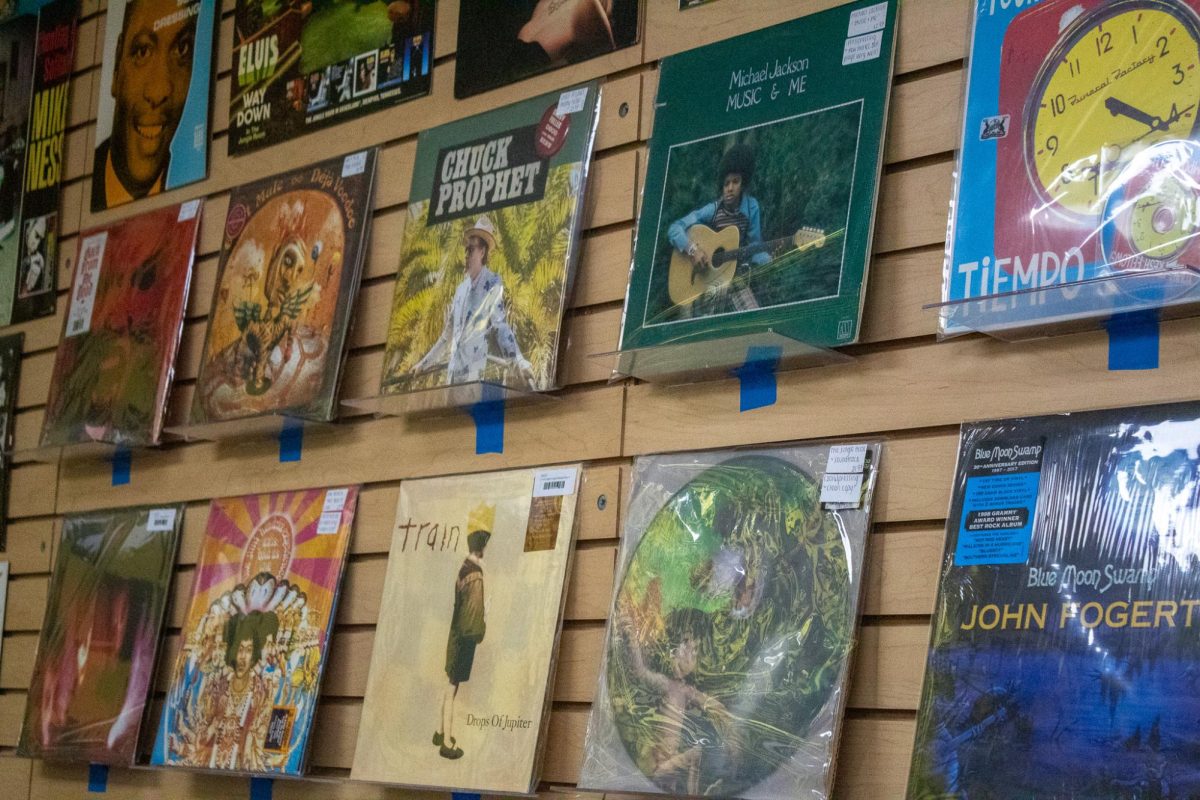
Even though social media can force artists to fit into a box, it can also create careers. Gomes states, “[Social media] can get your music out there to more people and that grows your following.” McKenzie also highlights social media’s power to amplify careers, stating, “I think that social media, especially TikTok, has increased outreach on certain artists that would have never really made it.” Another article titled “From Solo Performances to Social Media: Dissemination and Evolution of Pop Music Culture” from the Jilin Animation Institute also supports social media’s ability to create career opportunities for artists: “Artists no longer need to rely solely on record labels or radio stations to gain exposure. They can independently release their music, build a loyal fan base, and even launch crowdfunding campaigns to fund their projects.” All of this change makes music more accessible for newer artists.
Though music has fundamentally changed with the rise of social media, its change can’t be labeled simply as good or bad. It may limit exposure to music and artists’ creative freedoms, but it can also expand music tastes and create careers for artists worldwide. It’s unknown how the music industry will change within the next few years, or even decades, but that’s the beauty of the ever-changing music industry. The future’s not ours to see.