In the first half of 2025, more than $670 million worth of Labubus have been sold. To put that in perspective: even if you bought your own private island with a beach house, jet skis and 10 yachts, you would still have cash left over for more.
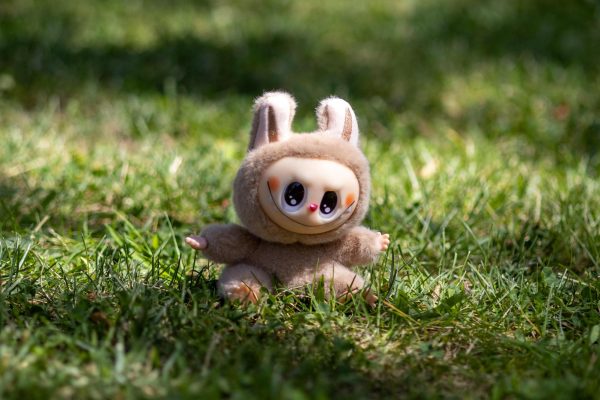
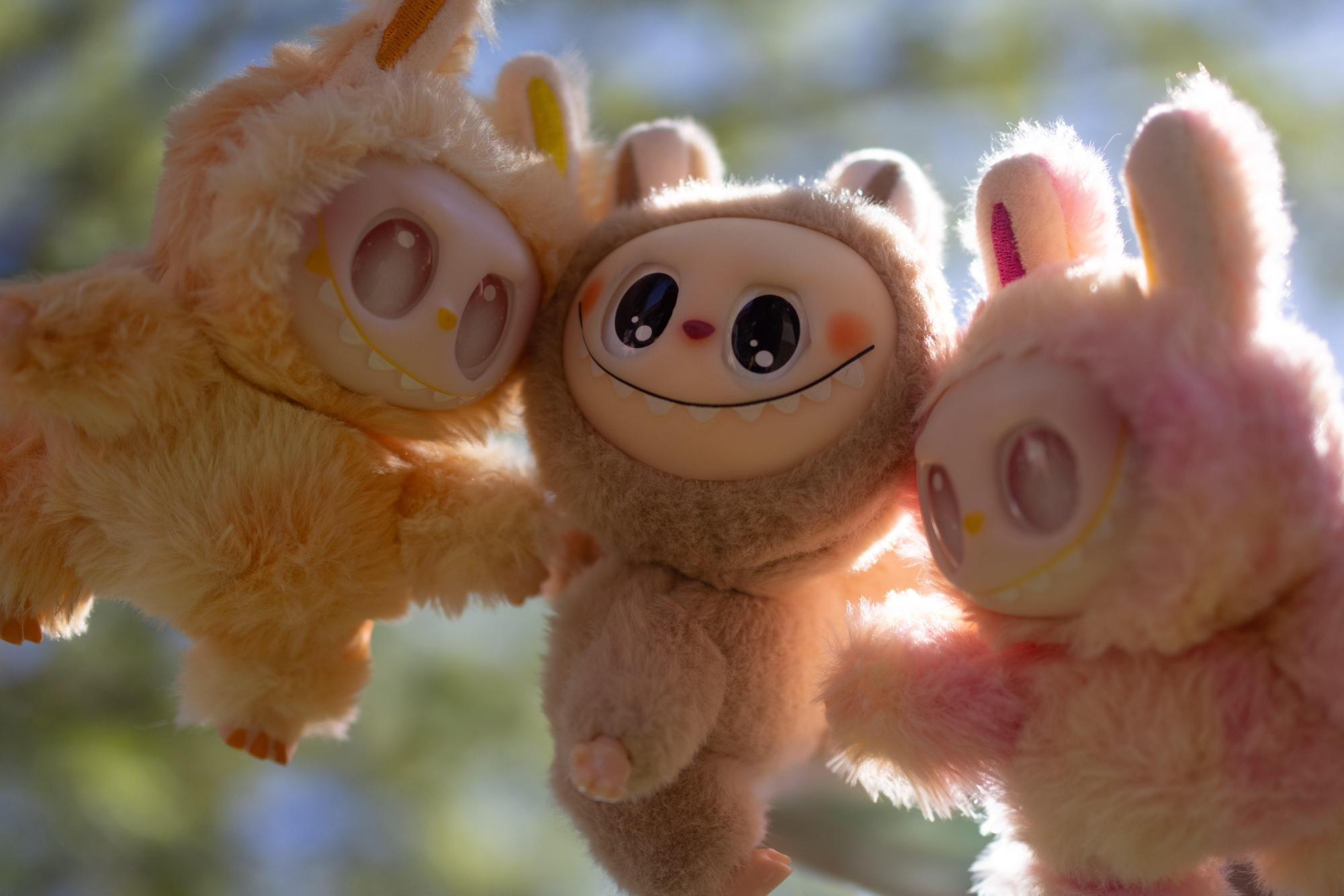
Labubus are snaggle-toothed monster plushies from Hong Kong that first appeared in 2019. This year, they have blown up on social media, celebrated for their oddly cute faces and elvish features. Beneath the charm, however, lies a darker reality: these toys are wildly overpriced and designed to be addictive.
The main hook is the blind box. Buyers do not know which Labubu they are getting, so when they fail to pull the one they want, they buy another and then another. What seems like harmless collecting quickly becomes a cycle of overconsumption, where the excitement fades fast but the spending never stops.
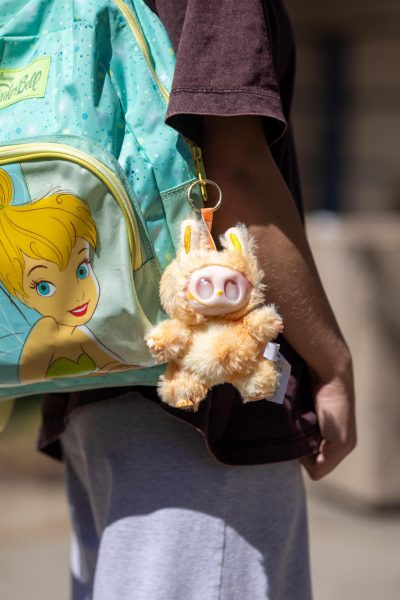
The prices make the problem worse. Rarity has always influenced value, but Labubus take this logic to absurd extremes. One rare Labubu has been listed for more than $170,000. Spending that much money on a mass-produced stuffed toy is not charming or quirky. It is ridiculous and it shows just how far consumer culture has spun out of control.
Economists have even suggested that the craze signals something deeper. During uncertain times, people often chase short bursts of happiness instead of making long-term investments. Labubu buyers may not spend thousands at once, but small impulsive purchases pile up and reflect a culture obsessed with instant gratification.
To be fair, Labubus can be cute and collectible, and they do bring joy to fans. However, their inflated prices and manipulative marketing reveal something troubling. They are not just plush toys. They are a warning sign of how easily consumer culture can take advantage of people, turning simple joys into cycles of waste and addiction.