why people quitting School sports
|
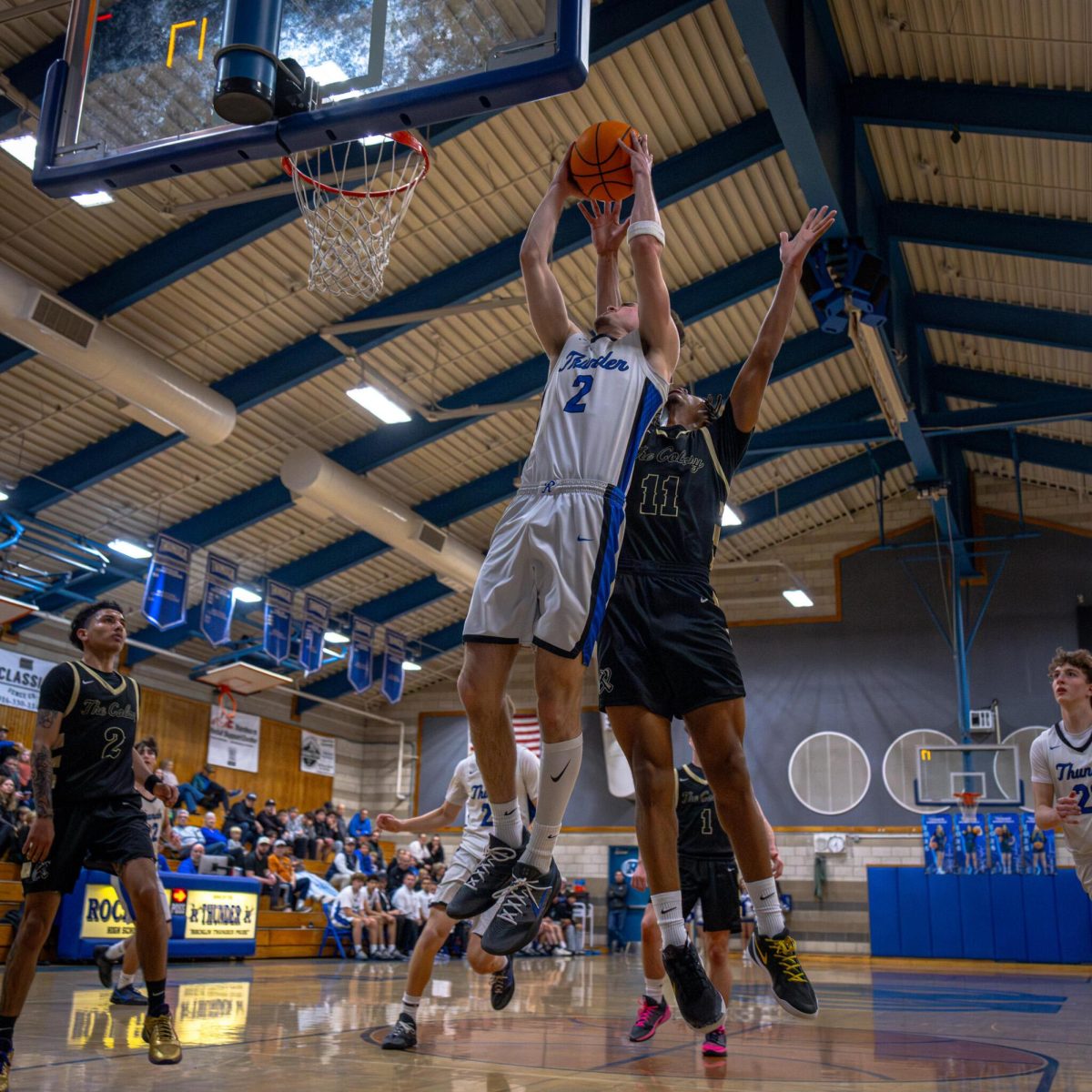
Across high schools in America, more student athletes are stepping away from the sport they once loved. While some assume it’s because of time commitment or burnout, recent interviews with two local athletes reveal a deeper issue: coaching style, Fairness, and playing opportunities. Zander Dowd, who played baseball for 11 years, recently decided to quite his school team. For him, it wasn’t about losing interest in the sport itself. In fact, he still enjoys playing summer baseball and helping out with little league. The issue was what he described as a lack of fairness within the program. “They played the same starting nine no matter what,” Dowd explained. Dowd said he felt there wasn’t equal opportunity for players to improve or earn more playing time. Even during his freshman and sophomore years, he noticed the same group of players consistently starting. Over time, that lack of opportunity made him question his comment. He emphasized that if the coaches aren’t willing to give players a chance,”what is the point at that point?” A similar story came from Cole Bromus, who played both baseball and football before deciding to leave football going into his senior year. Unlike Dowd, Bromus had been heavily involved in offseason training and was receiving starting reps before his role suddenly changed. “ Oh yeah, your probably not gonna play a lot ,” Bromus recalled a coach telling him before the season. For Bromus, the comment was discouraging, especially after putting in significant effort during the offseason. Although he said there were “no hard feelings” toward the program and sill supports his teammates, the uncertainty about his playing and future in the sport made him reconsider his priorities, Since he did not plan to pursue college football, he ultimately chose to focus on academics and other goals. Both athletes shared something in common: they still love sports. Dowd continues to play summer baseball and umpire games. Bromus said sports may not be done with him entirely and could see himself playing recreationally in the future. Their decisions wern’t about hating the game-they were about feeling undervalued or overlooked within competitive programs. These interviews highlight a growing conversation in youth and high school athletics. While discipline and competition are part of sports,athletes also want fairness, communication, and opportunities to grow. When those elements are missing, even dedicated players may decide it’s time to step away. As schools continue building athletic programs, the voices of players like Dowd and Bromus suggest that coaching style and team culture may be just as important as wins and losses. |
||