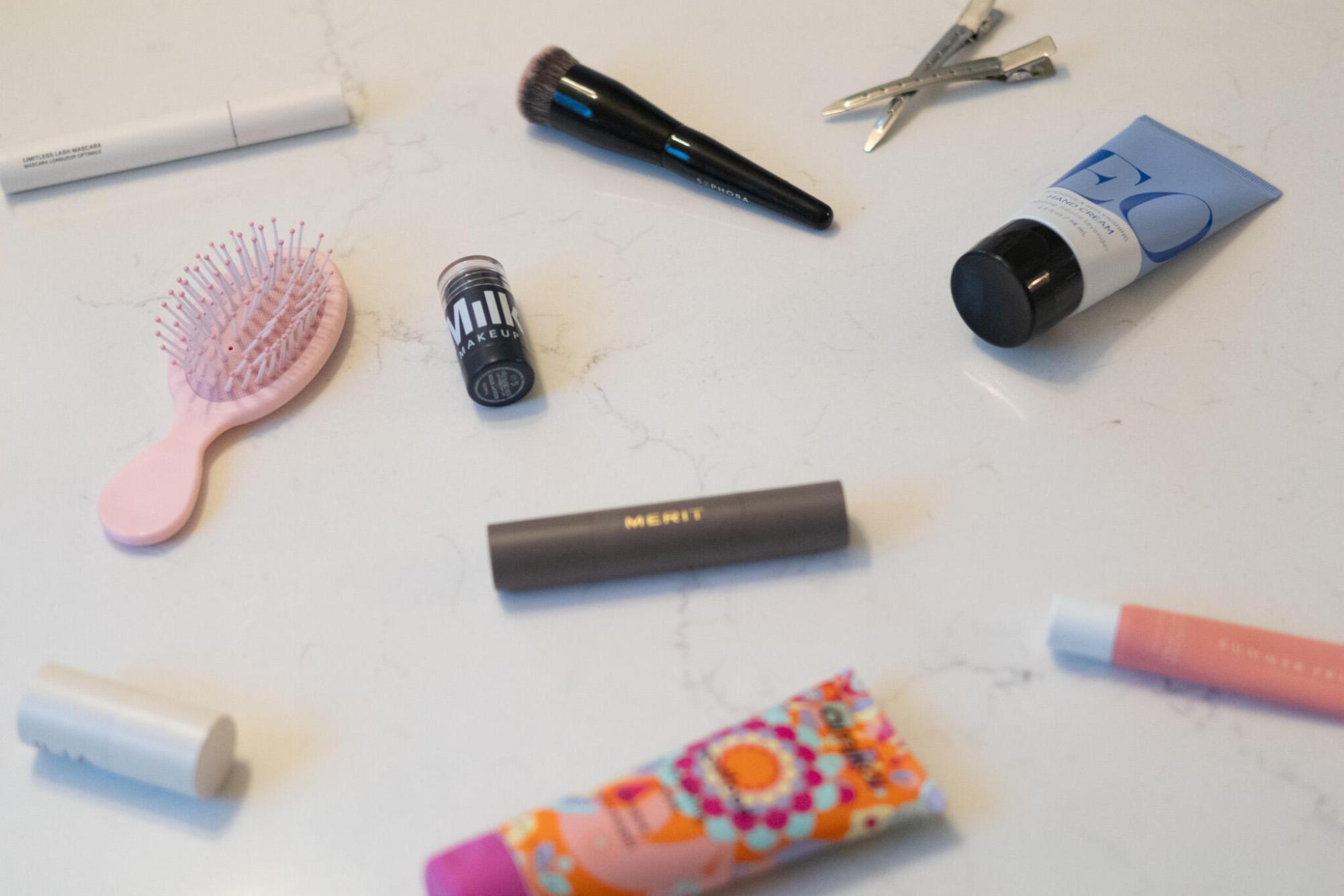
Foundation, concealer, blush, bronzer. For millions of women, their beauty routines are more than makeup; they’re rituals. Though they’re common practice, what are these rituals costing us, both economically and socially? Do our makeup routines cost more than they’re worth?
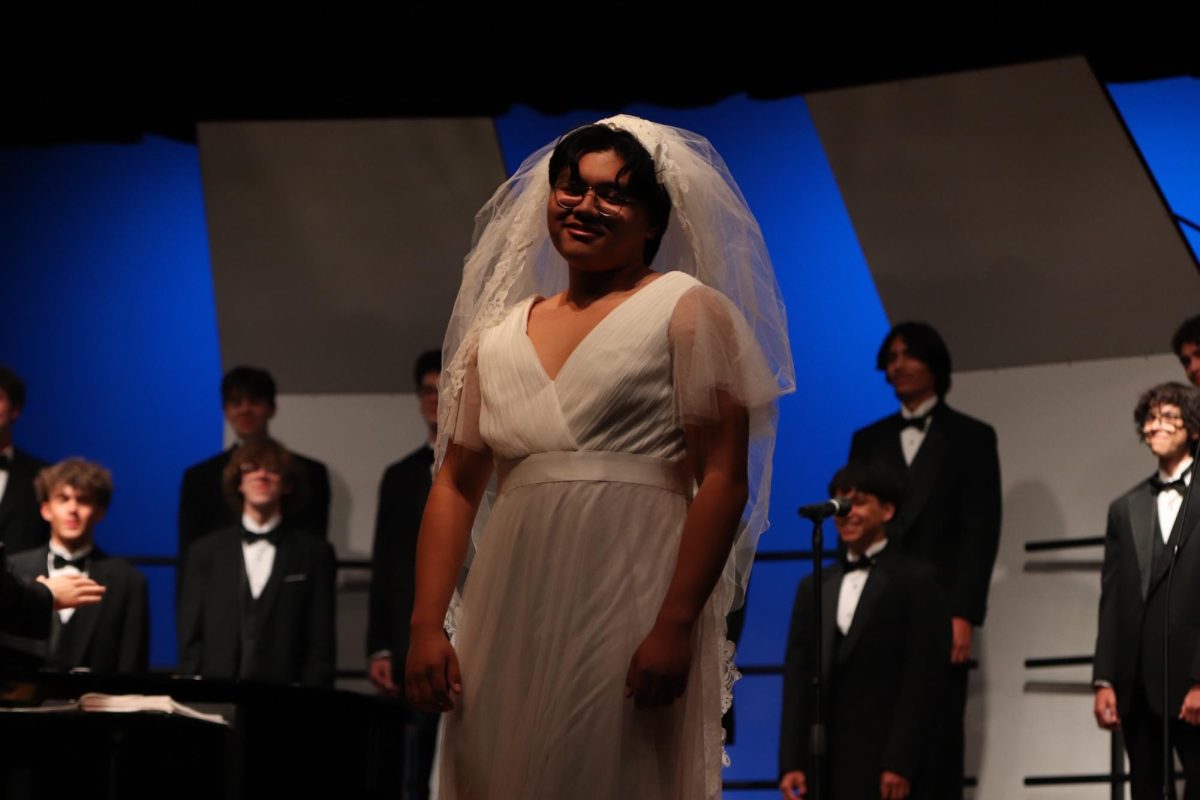
The average American woman spends about $1,064 a year on her appearance, compared to the $728 most American men spend. Chelsea Jones, social studies teacher here at Rocklin High School, shares her beauty spending habits: “I probably spend $2,000 [annually] on beauty products.” Jones shared that, since having her daughter, she has made the switch to more non-toxic beauty products, which can become expensive. Junior Jami Kasten shares her much smaller beauty estimation, “A year costs me up to 100 bucks. I would think, like $120 maybe.” Kasten, however, shared that she “mainly just [wears] mascara” unless it’s for a theatre production, in which case heavier makeup is necessary. Though both of these women have vastly different estimates for how much they spend on beauty annually, they are both still spending at least over one hundred dollars each year on beauty supplies, and, over a lifetime, that adds up quickly.
Cost aside, what is the primary motivation for many girls to wear makeup, especially since it can be so expensive? Sophomore Zoe Fisher states, “I wear makeup because [if I] break out or something, I [can] just hide it. Other times I just do it for fun, because I like looking pretty.” Jones also had a similar answer, but also admitted that she has asked herself why she wears makeup a lot in recent years. Eventually, she stated, “Ultimately, I wear makeup because it does make me feel better, and I think that when I feel better, I feel more confident, and that impacts how I interact in the world.”
Makeup is used, to nobody’s surprise, to change appearances and to make people feel more confident. Even though it’s widely used, would people still wear makeup even if nobody else did? Is there a social pressure or stigma around makeup? Jones answers this by reminiscing on her own college experiences, “I totally was doing things to attain a certain status. I mean, I was in a sorority. So, even in college, I was absolutely buying, dressing, and performing in certain ways to impress my other sorority sisters and put out a certain kind of outward persona. [But], as you get older, you just truly do not care as much anymore, not that you don’t care about how you look, but you recognize, and you become more conscious of, like, why am I doing those things?” Kasten reveals a different opinion, stating her aversion to most makeup trends, “I don’t think I really do it for pressure relief. I don’t really lean into beauty trends that much, but if I felt like, if everyone else just didn’t really care, then I wouldn’t really care [either].” Fisher shares the different pressures she faces from different sources in her life, “ I feel like pressure from parents is also a big thing, and then also just from school peers being like, Oh my God, your hair looks crazy. Which then [makes me] think, does my hair look crazy? Do I look this way?” The pressures that many women face to wear makeup are real and exhausting. An article from the National Library of Medicine states that “Women wearing makeup are perceived by others as more attractive, competent, dominant, and more socially prestigious.”
Though makeup is widely used by women all over the globe, the cost, both economic and social, is astronomical. The makeup industry makes billions of dollars each year, profiting off the insecurities of women and girls. However, it also makes millions of women feel more confident in their everyday lives, whether it’s full glam or ‘no-makeup’ makeup. At the end of the day, it’s a personal choice one must decide for themselves. So, next time you reach for that $42 concealer, ask yourself, ” Is it worth it?